Category: Uncategorized

  • Pre-Interview Rituals to Reduce Nervousness: Calm the Chaos, Own the Moment

    You’ve prepped your resume, researched the company, and practiced your answers. But right before the interview—sweaty palms, dry throat, racing heart. Sound familiar? Nervousness is natural, but you don’t have to let it control you. With the right pre-interview rituals, you can flip the script and walk in with calm, clarity, and confidence.

    1. Grounding Soundtrack

    Music has the power to shift your mindset. Build a short playlist that energizes you or calms your nerves—whatever works for your personality. Pop in your earbuds 15 minutes before the interview and let the rhythm reset your brain.

    2. Power of the Breath

    Deep breathing isn’t just yoga talk—it’s neuroscience. Try the 4-7-8 method: inhale for 4 seconds, hold for 7, exhale for 8. Do this for a couple of minutes and feel your heart rate slow, your mind sharpen, and your body relax.

    3. Power Posing Works

    Take a moment alone, stand tall, shoulders back, hands on your hips—like a superhero. This “power pose,” backed by body language research, tricks your brain into feeling more confident and in control.

    4. Write It Out

    Before the interview, jot down:

    • “What am I proud of?”
    • “Why am I a great fit for this role?”
    • “What’s the worst that can happen?”
      Seeing it on paper declutters your mind and reinforces your self-belief.

    5. Rehearse a Strong Opening

    Confidence comes from familiarity. Practice your self-introduction aloud. Know the first 30 seconds like the back of your hand—it sets the tone for everything that follows.

    6. Visualize Success

    Close your eyes for two minutes. Imagine logging in smoothly, answering with clarity, smiling confidently, and ending with gratitude. Visualization builds mental readiness and eases uncertainty.

    Practice with AIprepX – Your Calm Rehearsal Zone

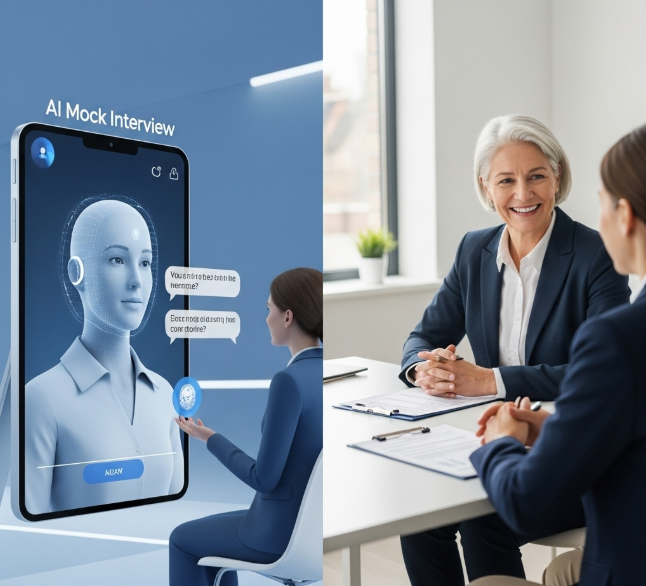
    Before the actual interview, simulate it! AIprepX offers voice-based HR, technical, and aptitude mock interviews—just like the real thing, minus the pressure. The more you practice, the less you fear. It’s your safe zone to build rhythm, confidence, and control over nervous energy.

    Final Thought

    Interviews aren’t a test of nerves—they’re a chance to show your story. Make these rituals your pre-game warmup. You’re not just reducing nervousness—you’re training your mind to perform at its best when it matters the most.


  • Best Phrases to Use When You’re Thinking on the Spot in an interview

    Turn Silence into Strength in Interviews

    You’re in an interview. A tough question lands in your lap. Your mind races. You need a moment—but you also need to say something. That moment is crucial. The difference between looking unprepared and sounding poised often comes down to a few powerful phrases.

    Here’s how to buy time, sound thoughtful, and stay confident—even when your brain is catching up.

     1. “That’s a great question. Let me take a moment to think about it.”

    This phrase does two things: it compliments the interviewer and gives you space. It makes you sound composed, not clueless.

    2. “Based on what I understand, here’s how I would approach it…”

    Even if you’re unsure of the final answer, showing your process gives the interviewer insight into your thinking. It’s better than silence or guessing.

    3. “If I were to encounter this in a real-world scenario, I’d start by…”

    This helps you ground your answer in problem-solving. It shifts focus from “getting it right” to “how you think”—a skill most interviewers value more.

    4. “While I haven’t faced this exact situation, here’s something similar I’ve handled…”

    Bridge the gap. Show your adaptability even if the question is new.

    5. “Could I take a moment to gather my thoughts?”

    This shows respect for the question and confidence in your ability to answer. It’s far better than rushing in with fluff or filler.

    6. “That’s not an area I’ve explored deeply yet, but I’m eager to learn more.”

    Honesty, when paired with curiosity, is powerful. It demonstrates self-awareness and a growth mindset—two qualities every team wants.

    Final Thoughts

    Thinking on the spot isn’t about blurting out perfect answers. It’s about handling pressure gracefully. These phrases create space for your brain while maintaining poise and professionalism.

    Supercharge Your Practice with AIprepX

    Want to build this skill in real-time? AIprepX offers voice-based mock interviews where you can practice exactly these scenarios. Train your mind to think faster, speak clearer, and handle surprises—just like the pros.

  • What to Say When You Don’t Know the Answer: Turning Panic into Professionalism

    There’s that sinking feeling—your mind goes blank, and the interviewer asks a question you simply don’t know the answer to. Do you freeze, fumble, or fib your way through? You don’t have to. The truth is, not knowing an answer isn’t a deal-breaker. It’s a chance to shine—if you handle it right.

    “The Real Test Isn’t Just Knowledge”

    Interviewers often ask difficult or curveball questions not to trip you up, but to see how you react under pressure. They’re evaluating your honesty, clarity, and critical thinking. And no one expects you to know everything. What they value more is how you respond when you’re unsure.

    ❌ What Not to Do

    • Don’t bluff or make things up. It’s transparent and risky.
    • Don’t say “I don’t know” and stop there.
    • Don’t ramble to fill the silence. It reveals insecurity.

    ✅ What to Say Instead

    • “I’m not familiar with that exact topic, but I’d approach it by…”
    • “That’s an interesting question. May I take a moment to collect my thoughts?”
    • “While I haven’t directly worked on this, I’ve handled similar situations like…”

    These answers show you’re composed, self-aware, and able to think on your feet—all qualities employers admire.

    Use It to Show Growth Mindset

    Every gap in knowledge is a doorway to learning. If you can express how you would find the answer, or how you’re willing to upskill, it shows curiosity and coachability—two high-value traits in any role.

    Practice Makes Poise: Use AIprepX

    Want to rehearse those tricky moments before facing the real thing? AIprepX is your AI-powered interview simulator that helps you train for HR, aptitude, and technical rounds—even under pressure. Whether you’re from a Tier 1 metro or a Tier 2/3 town, AIprepX helps you practice until confidence becomes second nature.

    Final Thought

    You’re not being judged for knowing everything—you’re being noticed for how you handle what you don’t know. Stay calm, stay honest, and stay focused on learning. That’s the mindset that turns uncertainty into opportunity.

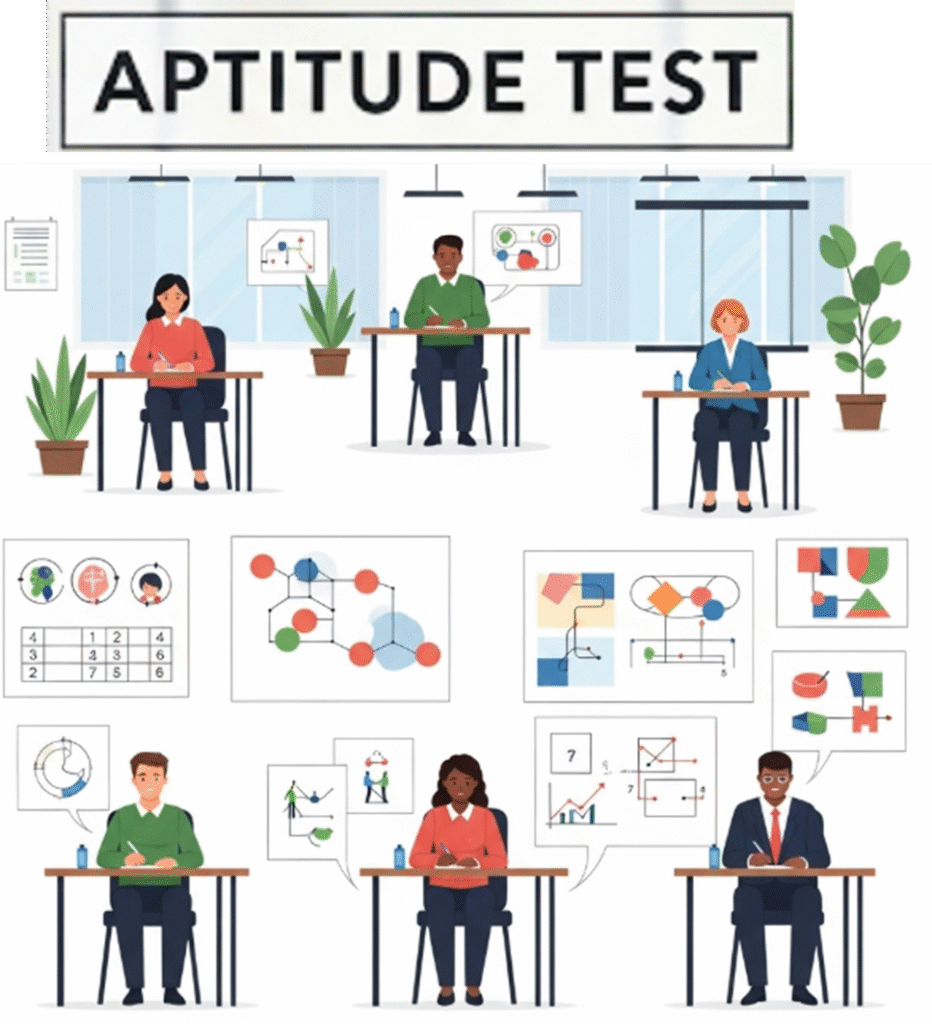
  • Why Aptitude Tests Still Matter in Modern Hiring

    In an era of AI-generated résumés, LinkedIn endorsements, and algorithm-driven shortlisting, one might wonder: Are aptitude tests still relevant?
    The answer is a resounding yes—and here’s why.

    Aptitude: The Unbiased Benchmark

    Unlike interviews, which can be subjective, aptitude tests offer a level playing field. They measure raw problem-solving ability, numerical reasoning, logic, and comprehension—skills that transcend academic scores or past experience.

    Recruiters see it as an objective filter, especially when they receive thousands of applications for a single role. It’s not about where you come from—it’s about how you think.

    Skills Beyond the Résumé

    Modern roles demand:

    • Fast decision-making
    • Data interpretation
    • Logical structuring of thoughts
    • Basic numerical and verbal reasoning

    These are exactly the areas where aptitude tests shine. They predict on-the-job potential, not just how well someone interviews or networks.

    Tech Giants Still Use It. Here’s Why.

    From TCS and Infosys to Deloitte and Amazon, aptitude tests remain a first-round filter. Even for roles in marketing, design, or HR, companies want candidates who can analyze, adapt, and act under pressure.

    Why? Because in real life, deadlines are tight, ambiguity is constant, and data-driven thinking is essential.

    It Rewards Consistency and Preparation

    Unlike degrees or achievements that accumulate over years, aptitude performance can improve drastically with consistent effort. Platforms like AIPrepX offer AI-powered, adaptive simulations that mimic real test environments—making practice personal and preparation powerful.

    Talent is universal. Opportunity is not—unless tools like AIPrepX bridge the gap.

    Final Thoughts

    Aptitude tests are not outdated—they’re evolving.
    They remain a critical signal to employers that you can think on your feet, grasp new information fast, and solve real-world problems.

    In a world filled with noise, aptitude is still a recruiter’s signal.
    So if you’re preparing for your dream job—don’t skip the basics. Sharpen your aptitude. It still opens doors.

    AIprepX offers AI-powered, personalized mock tests that mirror real aptitude challenges—helping you practice smart, not just hard.
    With real-time insights and adaptive difficulty levels, it’s your smartest step toward interview success.

  • Mastering the Aptitude Round with Confidence

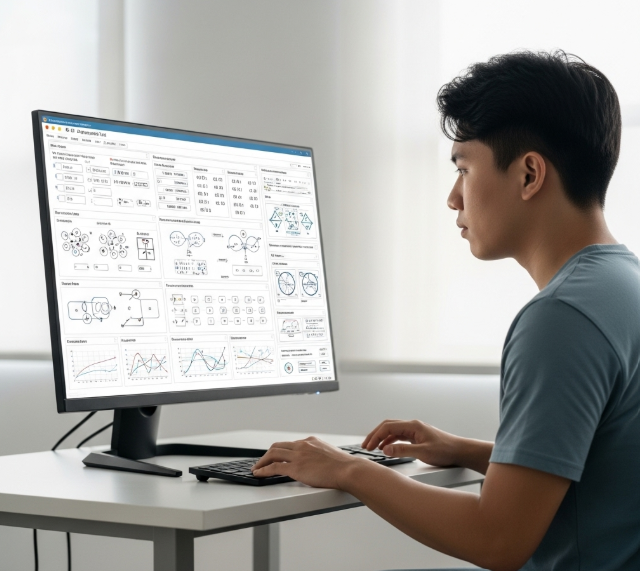
    Aptitude tests are often the first barrier between you and your dream job or internship. Whether it’s logical reasoning, quantitative aptitude, or verbal ability, cracking this round requires more than just knowledge—it needs strategy, speed, and smart practice. So how do you rise above the rest? Let’s break it down.

    Understand the Battlefield

    Before diving into practice, understand what you’re up against:

    • Quantitative Aptitude: Questions on percentages, time & work, ratios, number systems, profit & loss, etc.
    • Logical Reasoning: Puzzles, seating arrangements, syllogisms, and pattern recognition.
    • Verbal Ability: Grammar, reading comprehension, synonyms/antonyms, and sentence correction.

    Familiarity helps reduce fear. Study previous papers of the companies you’re applying to—it’s a goldmine.

    Strategy to Succeed

    1. Master the Basics First
      No shortcuts here. Build a solid foundation of math and logic skills from high school level topics. Use trusted books like R.S. Aggarwal or Arun Sharma.
    2. Speed + Accuracy = Success
      You need both. Practice using timers and build your ability to solve under pressure. Start with accuracy, then increase speed.
    3. Mock, Analyse, Repeat
      Don’t just practice—evaluate. Where did you spend extra time? Why did you make that error? Learning from mistakes is key.
    4. Shortcut Techniques and Formulas
      Memorize squares, cubes, and percentage values. Learn Vedic math techniques or mental math tricks to speed up calculations.
    5. Time Management
      Don’t get stuck on one question. Flag it and come back later. Sometimes, skipping is the smartest move.
    6. Practice Daily
      Consistency beats cramming. Even 30 minutes daily practice adds up over a few weeks.

    Common Pitfalls to Avoid

    • Rushing without understanding the question.
    • Guessing without logic (unless there’s no negative marking).
    • Ignoring weaker sections. Balance is key.

     Bonus Tip: Simulate the Real Thing with AIPrepX

    AIPrepX isn’t just another platform. It offers timed, AI-powered aptitude tests tailored to actual job expectations. With smart analytics, instant feedback, and adaptive question sets, it helps you sharpen both accuracy and confidence. Practice smarter—not harder.

    Final Word

    Cracking the aptitude round is about preparation, practice, and persistence. Stay calm, stay focused, and trust your process. Remember, every great placement journey begins with the first logical step.

    Go crack it—you’ve got this!

  • Can AIprepX Really Replace Real Interview Practice? Here’s the Truth

    In a world where job markets evolve faster than ever, interview preparation has become a strategic skill—not just a routine exercise. Enter AIprepX, an AI-powered mock interview platform that simulates aptitude, HR (voice-based), and technical interviews with stunning accuracy and personalized feedback. But the question remains—can it truly replace traditional interview practice?

    The answer lies not in replacement, but in transformation.

    What Traditional Mock Interviews Miss

    Conventional mock interviews often depend on availability of mentors, limited question pools, and inconsistent feedback. They may also induce stress due to human evaluation or lack the frequency needed for improvement. Worse, access is often scarce in Tier 2 and Tier 3 cities, where students struggle to find interview mentors or industry experts.

    AIprepX: Personalized. Scalable. Always Available.

    AIprepX brings 24/7 access to intelligent simulations that assess not just your answers, but also how you speak, the tone of voice, your technical thinking, and your consistency across multiple rounds. Its data-driven feedback points to exact areas of improvement—be it hesitation, weak introductions, or unstructured answers.

    The beauty of AIprepX is that it removes human bias, allows unlimited practice, and builds muscle memory for real-world interview performance.

    What AIprepX Excels At:

    • Instant, unbiased feedback on HR, aptitude, and technical rounds.
    • Voice-based simulations that reflect real interview scenarios.
    • Practice across companies and job roles with tailored questions.
    • Self-paced learning with performance analytics.

    How AIprepX Complements Real-World Preparation

    While AIprepX is a cutting-edge tool for interview mastery, its true strength lies in how it prepares you to get the most out of human-driven interactions. Here’s how:

    Maximize Human Coaching:
    AIprepX helps you walk into coaching sessions with clarity. Since you’ve already identified weak spots like tone or structure, your real-time human coach can now focus on refining body language and polishing your personal pitch.

    Get More from Mentors:
    With domain-specific gaps flagged by AIprepX, discussions with mentors become targeted and strategic. You’re not starting from scratch—you’re diving deep into industry-specific nuances with confidence.

    Practice Before Networking:
    Whether you’re preparing for a referral conversation or an on-the-spot HR call, AIprepX ensures your fundamentals are solid—so your job-specific mock drills and real interviews feel like second nature.

    Train Now, Adapt Later:
    AIprepX instills the structure, poise, and practice habits you need. When it’s time to adapt in real time, you’ll have a strong foundation that gives you the upper hand.

    Final Thoughts

    AIprepX is your launchpad to interview excellence. It acts as your personal training ground—helping you build confidence, sharpen communication, and anticipate real-world questions with clarity.

    For students across diverse geographies, it bridges the gap to world-class preparation. Each mock session empowers you with insight, poise, and the readiness to face any interview with conviction.

    When success depends on practice, preparation, and presence, AIprepX is your most powerful ally—fueling your growth, every step of the way.

  • From Nervous to Natural: How Mock Interviews Can Sharpen Your Edge

    Interviews can be nerve-wracking. The anticipation, the pressure to perform, and the fear of the unknown often leave even the most talented candidates fumbling. But here’s the truth — confidence doesn’t come from just knowing the answers. It comes from preparation. And the most effective way to prepare? Mock interviews.

    Mock interviews simulate real interview environments and help you rehearse your responses, body language, and timing. It’s where nervous stumbles turn into polished answers, and hesitation becomes confidence.

    Why Mock Interviews Matter

    1. Build Confidence Before the Real Test
      Practicing with realistic scenarios helps you feel more in control. You become familiar with the format, the questions, and most importantly — yourself.
    2. Receive Constructive Feedback
      Honest, structured feedback highlights your blind spots — from overused filler words to lack of clarity in your responses — and gives you the tools to fix them.
    3. Sharpen Communication Skills
      Communication isn’t just about what you say, but how you say it. Mock sessions help you pace your speech, maintain eye contact, and project authenticity.
    4. Tailor Responses for Different Roles
      Whether it’s an HR round or a technical deep-dive, mock interviews can be customized to simulate different types of interviews, helping you stay versatile.
    5. Reduce Anxiety Through Repetition
      Repeated exposure turns unfamiliarity into habit. The more you practice, the more natural you become — reducing fear and improving performance.
    6. Boost Your Self-Awareness
      Understanding how you come across to interviewers can help you align your tone, posture, and message with the role you’re aiming for.

    Do’s and Don’ts for Mock Interviews

    Do’s:

    • Treat it like the real thing — dress formally, be punctual, and stay professional.
    • Ask for specific feedback on both content and body language.

    Don’ts:

    • Don’t memorize answers. Instead, focus on structure and clarity.
    • Don’t skip the reflection — review your mistakes and plan improvement steps.

    AIPrepX: Practice with Purpose

    Platforms like AIPrepX make mock interviews smarter and more accessible. With voice-based simulations for HR, aptitude, and technical rounds, it offers a real-time experience that sharpens your readiness — whether you’re from a metro or a smaller town. AIPrepX helps you practice with feedback, evolve with confidence, and get interview-ready — on your terms.

    Mock interviews aren’t just practice — they’re transformation. They take you from nervous to natural, from hesitant to hireable. The stage is yours — prepare like a pro, and walk in ready to own it.

  • Beyond the Resume: Why Company Research Can Make or Break Your Interview

    When you walk into an interview, your resume tells the employer what you’ve done. But it’s your knowledge of the company that shows why you belong there.

    In today’s competitive job market, preparing for an interview is more than practicing answers — it’s about showing genuine alignment with the company’s mission, culture, and current goals. Researching the organization not only boosts your confidence but can also make the difference between getting shortlisted and getting selected.

    Why Company Research Matters

    1. Demonstrates Initiative: Hiring managers notice when candidates come prepared. Referencing a recent product launch, acquisition, or award immediately sets you apart.
    2. Aligns You with Their Culture: Understanding their values helps you tailor your responses to show you’re a natural fit.
    3. Equips You with Smart Questions: Interviews are two-way streets. Thoughtful questions based on research show curiosity and critical thinking.
    4. Prepares You for Curveballs: Knowing the company’s pain points (from reviews or news) can help you suggest solutions — a big win in their eyes.
    5. Builds Confidence: When you know what the company stands for, your communication becomes sharper and more authentic.

    Here’s how you can ace this crucial step and show you’re not just job-hunting — you’re purposefully aligning:

    Start with the Company Website : Explore the “About Us,” “Mission & Vision,” and “Leadership” sections. Understand the company’s core values, history, and goals. It shows your genuine interest in their journey.

    Do: Note down their mission statement and how your goals align.
    Don’t: Repeat their vision verbatim during the interview — personalize it.

         Scan Recent News & Press Releases: Check for media coverage, acquisitions, awards, or new product launches. This signals you’re updated and could lead to insightful conversations.

    Do: Mention any recent achievements in your answers.
    Don’t: Bring up controversies unless tactfully relevant.

    Understand the Role in Their Ecosystem: Read the job description carefully and connect it to the company’s overall business. How does your role contribute to their success?

    Do: Highlight how your skills can solve a specific business need.
    Don’t: Give generic “I can adapt to anything” answers.

     Check LinkedIn & Glassdoor: Look up employee reviews and the company culture. See what current and past employees say about work-life balance, growth, and values.

    Do: Use insights to ask questions about team dynamics or growth.
    Don’t: Quote negative reviews directly — use them wisely to gauge fit.

     Know the Interviewers (If Shared): If names are mentioned, look up your interviewers on LinkedIn. Knowing their background or interests helps build rapport.

    Do: Mention shared interests or compliment their work respectfully.
    Don’t: Make it sound creepy — keep it professional.

     Final Tip:

    At the end of the interview, ask questions like:
    “I noticed you recently expanded into [X market] — how has that influenced this role?”
    This shows preparedness, curiosity, and commitment.

    AIPrepX Insight:

    At AIPrepX, we train candidates not just for technical and HR rounds, but also to research and position themselves smartly. Our AI-powered mock interviews simulate real-world questions, including, “What do you know about our company?” — preparing you to answer like a pro.

    Remember: Resumes get you the interview. Research gets you the offer.

    Let your preparation speak volumes — beyond the resume.

  • Speak Without Words: Mastering Body Language for Interview Success

    In interviews, what you don’t say can speak louder than what you do. You may have the perfect resume and say all the right things — but if your body language sends the wrong message, you might be silently disqualifying yourself.

    Body language is a powerful, silent communicator of your confidence, interest, and professionalism.

    1. Make a Confident Entrance

    The interview begins the moment you walk in.

    Do:

    • Walk tall with relaxed shoulders and a warm smile.
    • Initiate a firm, respectful handshake.

    Don’t:

    • Slouch, drag your feet, or hesitate.
    • Avoid eye contact or appear distracted.

    2. Sit with Intention

    Your sitting posture reflects your mindset.

    Do:

    • Sit upright, lean slightly forward to show interest.
    • Rest your hands naturally on your lap or the table.

    Don’t:

    • Cross your arms — it creates a barrier.
    • Sink into the chair or appear too rigid.

    3. Control Eye Contact

    Eye contact builds trust — use it strategically.

    Do:

    • Maintain steady, natural eye contact.
    • Acknowledge everyone if in a panel.

    Don’t:

    • Stare or lock eyes aggressively.
    • Constantly look away or at the floor.

    4. Use Your Hands Meaningfully

    Gestures can enhance or distract.

    Do:

    • Use open hand gestures to support your points.
    • Mirror the interviewer subtly when appropriate.

    Don’t:

    • Fidget with your pen, jewelry, or hair.
    • Overuse your hands or make erratic movements.

     5. Engage with Facial Expressions

    Your face should reflect curiosity and warmth.

    Do:

    • Smile genuinely, especially when greeting.
    • Show expressions that align with what you’re saying.

    Don’t:

    • Maintain a flat or tense expression.
    • Raise eyebrows sarcastically or roll your eyes.

    6. Stay Grounded Under Pressure

    Your composure during tough moments is key.

    Do:

    • Pause to think and respond clearly.
    • Breathe deeply and maintain a stable posture.

    Don’t:

    • Tap feet, bite nails, or show signs of stress.
    • Rush through your responses in panic.

    Final Takeaway: Let Your Presence Speak Leadership

    In an interview, your body language is your unspoken résumé. Align your gestures with your words, and you’ll project clarity, confidence, and credibility — traits every employer values.

    Train Body & Mind with AIPrepX

    AIPrepX isn’t just an interview simulator — it’s a confidence builder. Through voice-based HR and technical mock interviews, it trains you to improve not only your answers but also your posture, tone, and presentation.

    Whether you’re from a Tier-1 institution or a small town college, AIPrepX ensures everyone gets a fair shot at excellence. Train Smart. Interview Strong. Shine Everywhere — with AIPrepX.

  • The Silent Deal-Breaker: Why Following Up After an Interview Sets You Apart

    You gave your best in the interview — confident, composed, and prepared. But the process isn’t over when the questions stop. What you do after the interview can speak just as loudly as what you said during it.

    Following up is not a courtesy — it’s a strategy.

    Many candidates walk away assuming silence is normal. But hiring managers notice the ones who take initiative, show appreciation, and reinforce interest. In fact, a well-crafted follow-up can leave a lasting impression, subtly tipping the balance in your favor.

    1. Send a Thank-You Within 24 Hours

    Timing matters. Reach out while the conversation is still fresh in the interviewer’s mind. Keep it short, warm, and personalized. Express gratitude for the opportunity, reference something meaningful from the interview, and reiterate your interest in the role.

    2. Highlight Your Fit — Without Repeating Yourself

    Use the follow-up to gently reinforce why you’re a strong match. Refer back to a specific point from the conversation that aligns with your experience or vision. It’s your chance to leave behind a “signature thought” that stays with the recruiter.

    3. Know When to Check in Again

    If there’s no response within a week to ten days, a polite check-in is perfectly acceptable. Keep it professional and express continued interest — not pressure. Patience, paired with persistence, creates a respectful follow-up rhythm.

    What to Avoid

    • Avoid generic or copy-paste messages.
    • Don’t be overly eager or send multiple follow-ups too quickly.
    • Skip casual language or emojis.
    • Never sound entitled — even if the interview went extremely well.

    Final Thought: Follow-Up = Professional Maturity

    Following up is more than good manners — it’s a reflection of your communication style, emotional intelligence, and professionalism. It shows that you care not just about getting the job, but about how you get it.

    In a world full of talent, the ones who follow up — thoughtfully and respectfully — are the ones who stay top of mind.